Buy serviceservice.eu ?
We are moving the project
serviceservice.eu .
Are you interested in purchasing the domain
serviceservice.eu ?
domain@kv-gmbh.de · 0541-91531010
Buy serviceservice.eu ?
How does gas exchange work?
Gas exchange is the process by which oxygen is taken in from the air and carbon dioxide is released from the body. In the lungs, oxygen from the air diffuses into the bloodstream through tiny blood vessels called capillaries surrounding the alveoli. At the same time, carbon dioxide from the bloodstream diffuses into the alveoli to be exhaled. This exchange of gases occurs due to differences in partial pressures of oxygen and carbon dioxide between the air in the lungs and the blood in the capillaries. **
What is the gas exchange?
Gas exchange is the process by which oxygen is taken in and carbon dioxide is expelled from the body. In the respiratory system, this occurs in the lungs, where oxygen from the air is transferred into the bloodstream and carbon dioxide is removed from the bloodstream and exhaled. This exchange of gases is essential for the body to obtain the oxygen it needs for cellular respiration and to rid itself of the waste product carbon dioxide. **


Similar search terms for Gas exchange
Top-Angebote
Products related to Gas exchange:
-
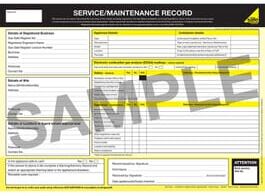
Officially Licensed Gas Safe Gas Safe® Service & Maintenance Record - Pad of 50Keep accurate and professional records of gas safety checks with the Gas Safe Service & Maintenance Record Pad - Pad of 50. This premium pad contains 10 sets of 3-part forms, specially designed for recording appliance service and maintenance checks. The landscape format ensures ease of use for engineers while on-site, streamlining the documentation process. Each pad features double covers with a writing guard and is reinforced with triple stitching and binding tape on the spine for extra durability. Individually numbered and perforated on the left-hand side, the forms allow for easy removal while keeping the spine intact. Perfect for gas engineers, it provides copies for the gas user, the engineer/business, and, when applicable, the landlord. Officially licensed by Gas Safe, this pad is an essential tool for maintaining thorough and compliant service records.13,50 £*Shipping: 5,00 £Secure redirect to the provider
-
Hamilton Gas Products Ltd G4, G6 and U6 Natural Gas Meter Installation KitG4, G6 & U6 Gas Meter Installation Kit – Complete Solution for Natural Gas Meters The G4, G6 & U6 Gas Meter Installation Kit is a comprehensive solution designed for seamless and secure installation of U6 natural gas meters. This all-in-one kit includes high-quality components, ensuring a professional, leak-free, and durable installation for residential and commercial gas systems. Key Features Complete Installation Kit – Includes all essential fittings for quick and secure G4, G6 & U6 gas meter installation. Designed for G4, G6 & U6 Gas Meters – Specifically tailored to fit standard G4, G6 & U6 gas meters for Natural Gas systems. High-Quality Components – Made from durable57,00 £*Shipping: 5,00 £Secure redirect to the provider


-
Can you exchange gas bottles anywhere?
No, gas bottles cannot be exchanged just anywhere. Gas bottle exchanges are typically done at authorized gas bottle exchange locations such as gas stations, hardware stores, or specialized gas bottle exchange centers. It is important to check with the specific location to see if they offer gas bottle exchange services. **
-
Can you easily explain gas exchange?
Gas exchange is the process by which oxygen is taken in and carbon dioxide is released from the body. In the lungs, oxygen from the air is absorbed into the bloodstream through tiny air sacs called alveoli, while carbon dioxide is removed from the blood and exhaled. This exchange occurs due to differences in the concentration of gases between the air in the lungs and the blood in the capillaries surrounding the alveoli. The oxygen is then transported to cells throughout the body via the bloodstream, where it is used for cellular respiration, while carbon dioxide is carried back to the lungs to be exhaled. **
-
Can you refill or exchange a gas cylinder at the gas station?
No, gas cylinders cannot be refilled or exchanged at a regular gas station. Gas cylinders are typically used for propane or other gases for heating or cooking purposes and require specialized equipment and procedures for refilling or exchanging. This service is usually provided by gas cylinder exchange locations or specialized gas suppliers. **
-
Can you refill or exchange a gas bottle at the gas station?
No, gas bottles cannot be refilled or exchanged at a regular gas station. Gas bottles typically contain propane or other gases used for heating or cooking, and they require specialized equipment and procedures for refilling or exchanging. This service is usually provided by gas suppliers, hardware stores, or specialized gas refill stations. It is important to follow the proper safety guidelines when handling and refilling gas bottles. **


How does gas exchange work in the alveoli?
Gas exchange in the alveoli occurs through a process called diffusion. Oxygen from the inhaled air passes through the thin walls of the alveoli and into the surrounding capillaries, where it binds to hemoglobin in red blood cells. At the same time, carbon dioxide, a waste product of cellular respiration, diffuses from the blood into the alveoli to be exhaled. This exchange of gases is facilitated by the large surface area and thin walls of the alveoli, as well as the close proximity of the alveoli to the capillaries. **
How does gas exchange work in respiration in biology?
Gas exchange in respiration involves the process of taking in oxygen and releasing carbon dioxide. In the lungs, oxygen from the air is diffused into the bloodstream through tiny air sacs called alveoli. At the same time, carbon dioxide is diffused from the bloodstream into the alveoli to be exhaled. This exchange occurs due to differences in concentration gradients between the air in the lungs and the blood in the capillaries surrounding the alveoli. This process ensures that oxygen is delivered to cells for energy production and that carbon dioxide is removed from the body. **
Top-Angebote
Products related to Gas exchange:
-
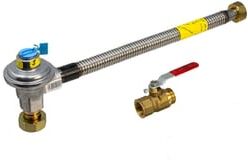
Hamilton Gas Products Ltd Micropoint Gas Cooker Installation Kit 1 - LPG & Natural GasGFS 1000mm x 1/2 BSP TM, with a 1/2 diameter bore, in yellow is designed for compatibility with all three types of gas families, this hose is crafted from 316L stainless steel, featuring a corrugated and braided design, and is coated with PVC for added protection. These hoses are produced to meet high standards, holding BSI approval and the Kitemark for BS EN 14800, alongside CE certification. The bayonet fitting includes a swivel metal elbow and a knurled metal locking collar, ensuring compatibility with BS 669-1 standard and EN 15069 approved sockets, all in stainless steel. The hose's all-metal connection points are designed to withstand the high temperature requirements of BS EN 1775. This product is manufactured in the EU by a company certified with EN ISO 9001. For use on LPG, Natural Gas, 98% Hydrogen and Methane Hydroge31,19 £*Shipping: 5,00 £Secure redirect to the provider
-
Anton Flue Gas Analyser Maintenance KitAnton Flue Gas Analyser Maintenance Kit (A-MAINKIT01) This maintenance kit bundles the key consumables and spares needed to keep an Anton Sprint Pro flue gas analyser running reliably across both gas and oil appliance work. It includes a pack of 10 Anton Sprinter thermal paper rolls for on-site printing, a genuine M049006 water trap and 3-micron filter set for oil boiler and burner testing, an M049003 filter bowl assembly with dust and PTFE filters for gas appliance work, and a PRO FILTER PACK (pack of 4: 2 PTFE filters and 2 dust filters) for routine filter replacement between full bowl changes. Together, these cover the most common consumable and spare part needs for an engineer servicing both gas and oil-fired appliances with a Sprint Pro analyser — printer paper for documentation, the correct filtration for oil testing, and both the complete bo109,80 £*Shipping: 0,00 £Secure redirect to the provider
-
Officially Licensed Gas Safe Gas Safe® Service & Maintenance Record - Pad of 50Keep accurate and professional records of gas safety checks with the Gas Safe Service & Maintenance Record Pad - Pad of 50. This premium pad contains 10 sets of 3-part forms, specially designed for recording appliance service and maintenance checks. The landscape format ensures ease of use for engineers while on-site, streamlining the documentation process. Each pad features double covers with a writing guard and is reinforced with triple stitching and binding tape on the spine for extra durability. Individually numbered and perforated on the left-hand side, the forms allow for easy removal while keeping the spine intact. Perfect for gas engineers, it provides copies for the gas user, the engineer/business, and, when applicable, the landlord. Officially licensed by Gas Safe, this pad is an essential tool for maintaining thorough and compliant service records.13,50 £*Shipping: 5,00 £Secure redirect to the provider
-
Hamilton Gas Products Ltd G4, G6 and U6 Natural Gas Meter Installation KitG4, G6 & U6 Gas Meter Installation Kit – Complete Solution for Natural Gas Meters The G4, G6 & U6 Gas Meter Installation Kit is a comprehensive solution designed for seamless and secure installation of U6 natural gas meters. This all-in-one kit includes high-quality components, ensuring a professional, leak-free, and durable installation for residential and commercial gas systems. Key Features Complete Installation Kit – Includes all essential fittings for quick and secure G4, G6 & U6 gas meter installation. Designed for G4, G6 & U6 Gas Meters – Specifically tailored to fit standard G4, G6 & U6 gas meters for Natural Gas systems. High-Quality Components – Made from durable57,00 £*Shipping: 5,00 £Secure redirect to the provider
-
How does gas exchange work?
Gas exchange is the process by which oxygen is taken in from the air and carbon dioxide is released from the body. In the lungs, oxygen from the air diffuses into the bloodstream through tiny blood vessels called capillaries surrounding the alveoli. At the same time, carbon dioxide from the bloodstream diffuses into the alveoli to be exhaled. This exchange of gases occurs due to differences in partial pressures of oxygen and carbon dioxide between the air in the lungs and the blood in the capillaries. **
-
What is the gas exchange?
Gas exchange is the process by which oxygen is taken in and carbon dioxide is expelled from the body. In the respiratory system, this occurs in the lungs, where oxygen from the air is transferred into the bloodstream and carbon dioxide is removed from the bloodstream and exhaled. This exchange of gases is essential for the body to obtain the oxygen it needs for cellular respiration and to rid itself of the waste product carbon dioxide. **
-
Can you exchange gas bottles anywhere?
No, gas bottles cannot be exchanged just anywhere. Gas bottle exchanges are typically done at authorized gas bottle exchange locations such as gas stations, hardware stores, or specialized gas bottle exchange centers. It is important to check with the specific location to see if they offer gas bottle exchange services. **
-
Can you easily explain gas exchange?
Gas exchange is the process by which oxygen is taken in and carbon dioxide is released from the body. In the lungs, oxygen from the air is absorbed into the bloodstream through tiny air sacs called alveoli, while carbon dioxide is removed from the blood and exhaled. This exchange occurs due to differences in the concentration of gases between the air in the lungs and the blood in the capillaries surrounding the alveoli. The oxygen is then transported to cells throughout the body via the bloodstream, where it is used for cellular respiration, while carbon dioxide is carried back to the lungs to be exhaled. **
Similar search terms for Gas exchange
-
York Wallcoverings Exchange Crystal Shore WallpaperExchange's small, unique, fractured lines feel like an artisanal installation rendered in burnished metallic against a textural plaster ground, shown in taupe grey with burnished metallic..170,00 $*Shipping: 0,00 $Secure redirect to the provider
-
Can you refill or exchange a gas cylinder at the gas station?
No, gas cylinders cannot be refilled or exchanged at a regular gas station. Gas cylinders are typically used for propane or other gases for heating or cooking purposes and require specialized equipment and procedures for refilling or exchanging. This service is usually provided by gas cylinder exchange locations or specialized gas suppliers. **
-
Can you refill or exchange a gas bottle at the gas station?
No, gas bottles cannot be refilled or exchanged at a regular gas station. Gas bottles typically contain propane or other gases used for heating or cooking, and they require specialized equipment and procedures for refilling or exchanging. This service is usually provided by gas suppliers, hardware stores, or specialized gas refill stations. It is important to follow the proper safety guidelines when handling and refilling gas bottles. **
-
How does gas exchange work in the alveoli?
Gas exchange in the alveoli occurs through a process called diffusion. Oxygen from the inhaled air passes through the thin walls of the alveoli and into the surrounding capillaries, where it binds to hemoglobin in red blood cells. At the same time, carbon dioxide, a waste product of cellular respiration, diffuses from the blood into the alveoli to be exhaled. This exchange of gases is facilitated by the large surface area and thin walls of the alveoli, as well as the close proximity of the alveoli to the capillaries. **
-
How does gas exchange work in respiration in biology?
Gas exchange in respiration involves the process of taking in oxygen and releasing carbon dioxide. In the lungs, oxygen from the air is diffused into the bloodstream through tiny air sacs called alveoli. At the same time, carbon dioxide is diffused from the bloodstream into the alveoli to be exhaled. This exchange occurs due to differences in concentration gradients between the air in the lungs and the blood in the capillaries surrounding the alveoli. This process ensures that oxygen is delivered to cells for energy production and that carbon dioxide is removed from the body. **
* All prices are inclusive of VAT and, if applicable, plus shipping costs. The offer information is based on the details provided by the respective shop and is updated through automated processes. Real-time updates do not occur, so deviations can occur in individual cases. ** Note: Parts of this content were created by AI.